
What Are Clear Aligners?
Invisalign, ClearCorrect, and SureSmile aligners are the ideal option in orthodontics for individuals wanting aligned and straight teeth without the "metal mouth" appearance. Unlike traditional braces that employ fixed metal brackets and wires, modern aligners such as Invisalign are removable, clear and virtually undetectable. Comprising a series of custom clear plastic trays, these aligners are worn to correct mild-to-moderate tooth misalignments. The custom-made trays are designed to move teeth gradually and discreetly into their proper positions.
Is This Right for You?
Clear aligners may be suitable if you:
- Have mild to moderate crowding or spacing
- Want to correct crooked or misaligned teeth
- Prefer a discreet alternative to traditional braces
- Want removable aligners for easier eating and cleaning
- Are committed to wearing aligners 20–22 hours per day
Clear aligners are custom-made to gradually move your teeth into alignment. Your dentist will assess your bite, tooth position, and overall oral health to determine whether clear aligner treatment is appropriate for you.
Based at our Leichhardt clinic? See our Invisalign Leichhardt page for Platinum Elite provider details and current pricing.
Closer to West Ryde? See our Clear Aligners West Ryde page for our all-inclusive package and the current offer.
The Clear Aligner Process
- 1 Complimentary Consultation
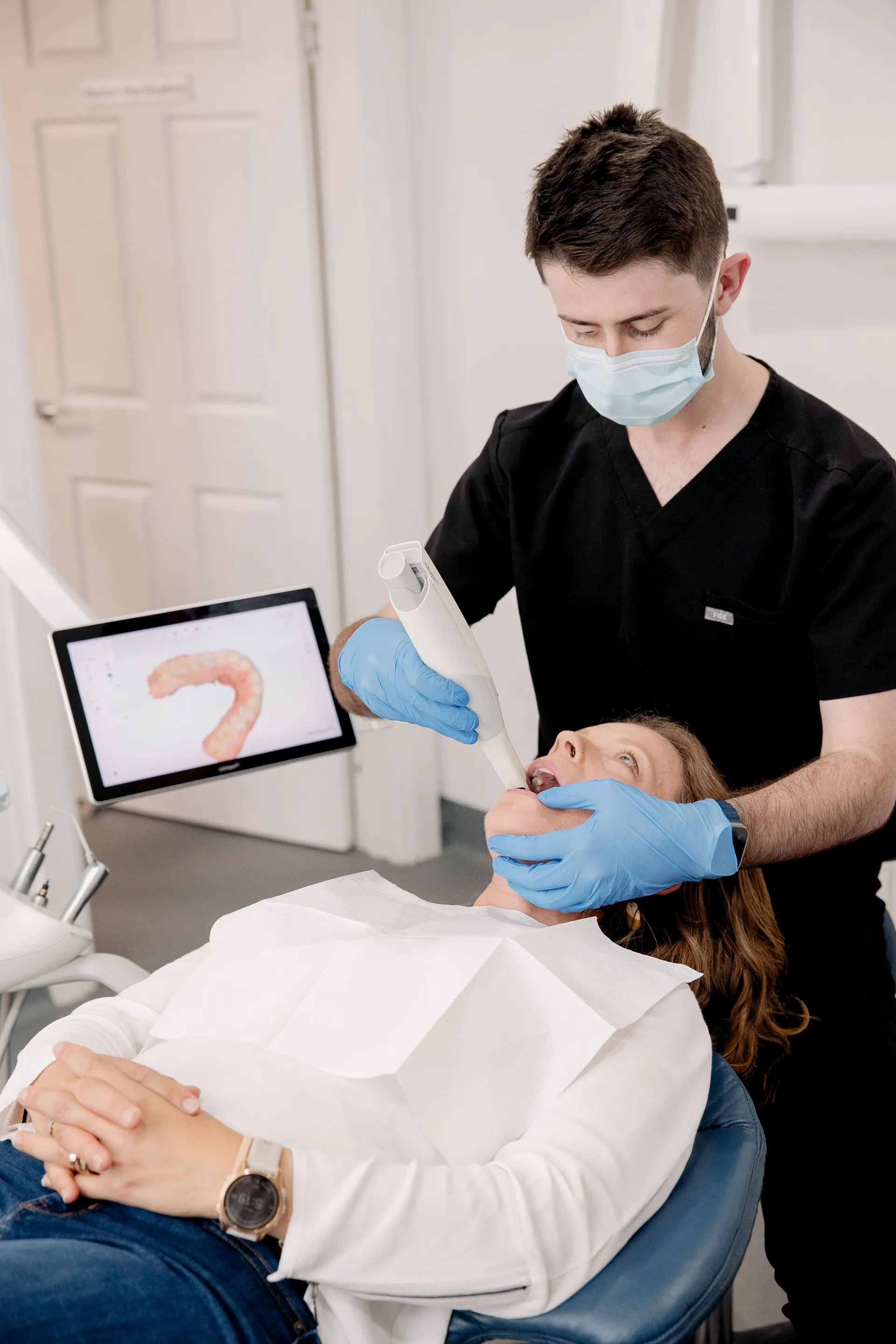
Your dentist evaluates your teeth, takes digital scans, and determines whether clear aligners are a suitable option for you.
- 2 Personalised Treatment Plan
A customised digital plan is developed to map the movement of your teeth step by step. You'll be able to preview the projected outcome before treatment begins.
- 3 Wearing Your Aligners
Each set of aligners is typically worn for around two weeks before progressing to the next in the series. As you move through the sets, your teeth gradually shift into alignment. Periodic check-ups ensure your treatment stays on track.
- 4 Refinements (If Required)
Additional aligners may be provided to make small adjustments and achieve the best possible result.
- 5 Retention
After treatment, a retainer is worn to maintain your new smile. Your dentist will recommend the most suitable retainer and provide guidance on wear and care.
- Wearing your aligners as instructed matters — If you don't wear them for the recommended hours each day, skip appointments, or don't follow your dentist's directions, your treatment may take longer and results may not be as expected.
- Mild soreness is normal — It's common to feel some pressure or tenderness when switching to a new set of aligners.
- Irritation may happen — Your gums, cheeks, or lips may feel scratched or irritated at times.
- Teeth can shift back after treatment — Wearing your retainer as instructed at the end of treatment helps keep your new smile in place.
- Tooth decay or gum problems — Eating sugary foods or drinks, or not brushing and flossing before putting in your aligners, can increase your risk of cavities, gum disease, or permanent marks on your teeth.
- Temporary speech changes — Some people notice a mild lisp at first. This usually goes away within a week or two.
- Dry mouth or extra saliva — Aligners can sometimes cause a dry mouth or increased saliva. Certain medications may make this worse.
- Attachments on teeth — Small, tooth-coloured bumps may be placed on some teeth to help the aligners work. They're removed after treatment.
- Slight reshaping of teeth — Your dentist may gently smooth between certain teeth to make space for movement.
- Changes in your bite — Your bite may feel different during treatment, and some minor adjustments may be needed after treatment finishes.
- Extra treatments may be needed — In more complex cases, additional tools (such as elastics, small devices, or other dental work) may be required to reach the desired outcome.
- "Black triangles" between teeth — When crowded teeth are straightened, small gaps at the gumline can sometimes appear.
- Dental implants don't move — Aligners cannot move implants already placed in the mouth.
- Your general health matters — Some medical conditions or medications can affect your treatment and how your gums and bone respond.
- Surgery may be required — In some cases of severe crowding or jaw problems, oral surgery might be recommended before or during treatment.
- Existing dental work or damaged teeth — Teeth that have been injured or heavily filled may react differently to movement and sometimes need extra care or treatment. Crowns or other restorations may loosen and need re-cementing or replacement.
- Short teeth may make aligners less effective — Very short teeth can make it harder for aligners to stay in place and move teeth properly.
- Root shortening — In some cases, the roots of teeth can shorten slightly during orthodontic treatment, which may affect long-term tooth health.
- Aligner breakage — Aligners may be more likely to crack or break if there's severe crowding or missing teeth.
- Accidental swallowing — Small parts or the aligners themselves could, very rarely, be swallowed or inhaled.
- Jaw joint issues — In rare cases, jaw joint pain, headaches, or ear problems may occur.
- Allergic reactions — Although uncommon, some people may be allergic to the materials in the aligners.
- Teeth not covered by aligners may over-erupt — Any teeth that are not at least partly covered by the aligner could slowly rise out of position.