
Vaping vs Smoking: What’s the Difference for Your Teeth and Gums?
TLDR; The short answer
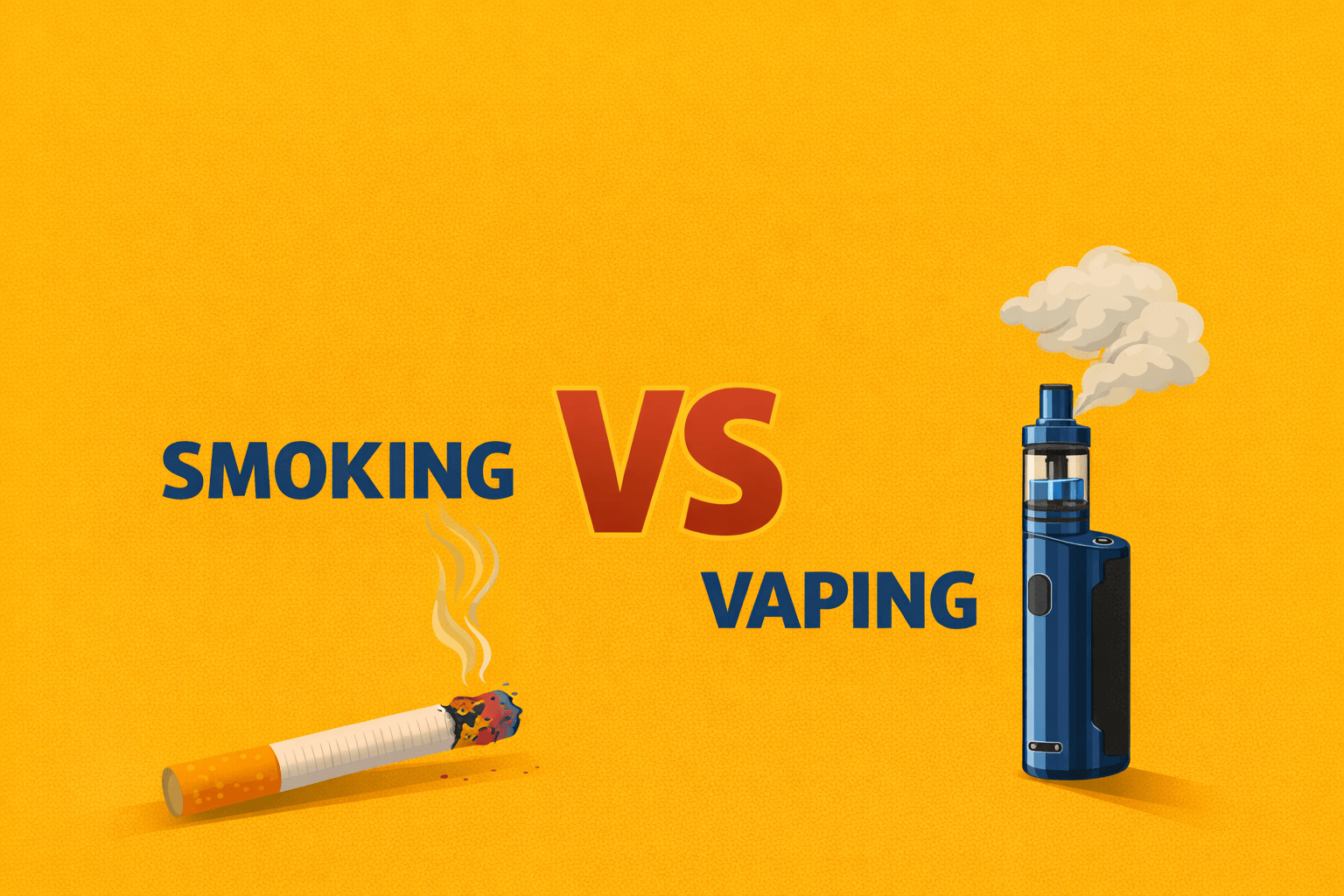
Both smoking and vaping can harm your teeth and gums. Traditional cigarette smoking is strongly linked to gum disease, tooth loss, delayed healing and oral cancer. Vaping (e-cigarettes) is newer, and the evidence is still evolving — but current high-quality reviews and clinical guidance show vaping is still harmful: it’s associated with dry mouth, irritation, changes in oral bacteria, higher risk of cavities and potentially worse gum health than non-users (although usually less damaging than smoking). Because vaping is newer, long-term effects are still being studied.Teeth.org.au – Australian Dental Association
Why dentists care about smoking and vaping
Your mouth is the gateway to the rest of your body. What you inhale or put in your mouth changes the tissues, bacteria and blood supply there — and that affects how well your gums defend against infection and how well your mouth heals after dental work. Dentists screen for smoking-related and vaping-related signs at checkups because early detection saves teeth and catches problems before they get serious. The Australian Dental Association and American Dental Association both advise dental health professionals to ask about and advise patients on tobacco and vaping use.
What smoking does to teeth and gums — the evidence is clear
Cigarette smoke contains thousands of chemicals, many of them toxic and many carcinogenic (cancer-causing). Smoking affects the mouth in several important ways:
- Raises risk of gum disease (periodontitis). Smokers have a substantially higher chance of developing severe gum disease than non-smokers. Smoking alters immune response, reduces blood flow to gums and helps harmful bacteria flourish — all of which accelerate gum and bone loss around teeth.
- Slows healing after dental treatment. Smokers heal more slowly after tooth extractions, gum surgery or implant placement and experience more complications.
- Increases oral cancer risk. Long-term smoking is a major risk factor for cancers of the mouth, tongue and throat.
- Cosmetic and functional harms. Stained teeth, bad breath, reduced sense of taste, and higher rates of tooth loss are common in people who smoke.
Because the link between smoking and poor oral outcomes is supported by many systematic reviews and public-health reports, smoking remains one of the single biggest modifiable risks to oral health. If you smoke, telling your dentist matters — it changes how we screen, treat and monitor your mouth. NHMRC
What vaping (e-cigarettes) does to the mouth — the research so far
E-cigarettes/vaping devices deliver an aerosol that usually contains nicotine, propylene glycol, glycerol and flavourings. Vaping is newer than smoking, so we have fewer long-term studies. Still, multiple systematic reviews and government reports summarising the evidence conclude the following:
- Vaping is not harmless for the mouth. Studies report mouth and throat irritation, dry mouth, bad taste, and increased risk of cavities due to sugary e-liquids. Some trials and observational studies show more gingival (gum) inflammation in vapers than in non-users. Australian Prescriber
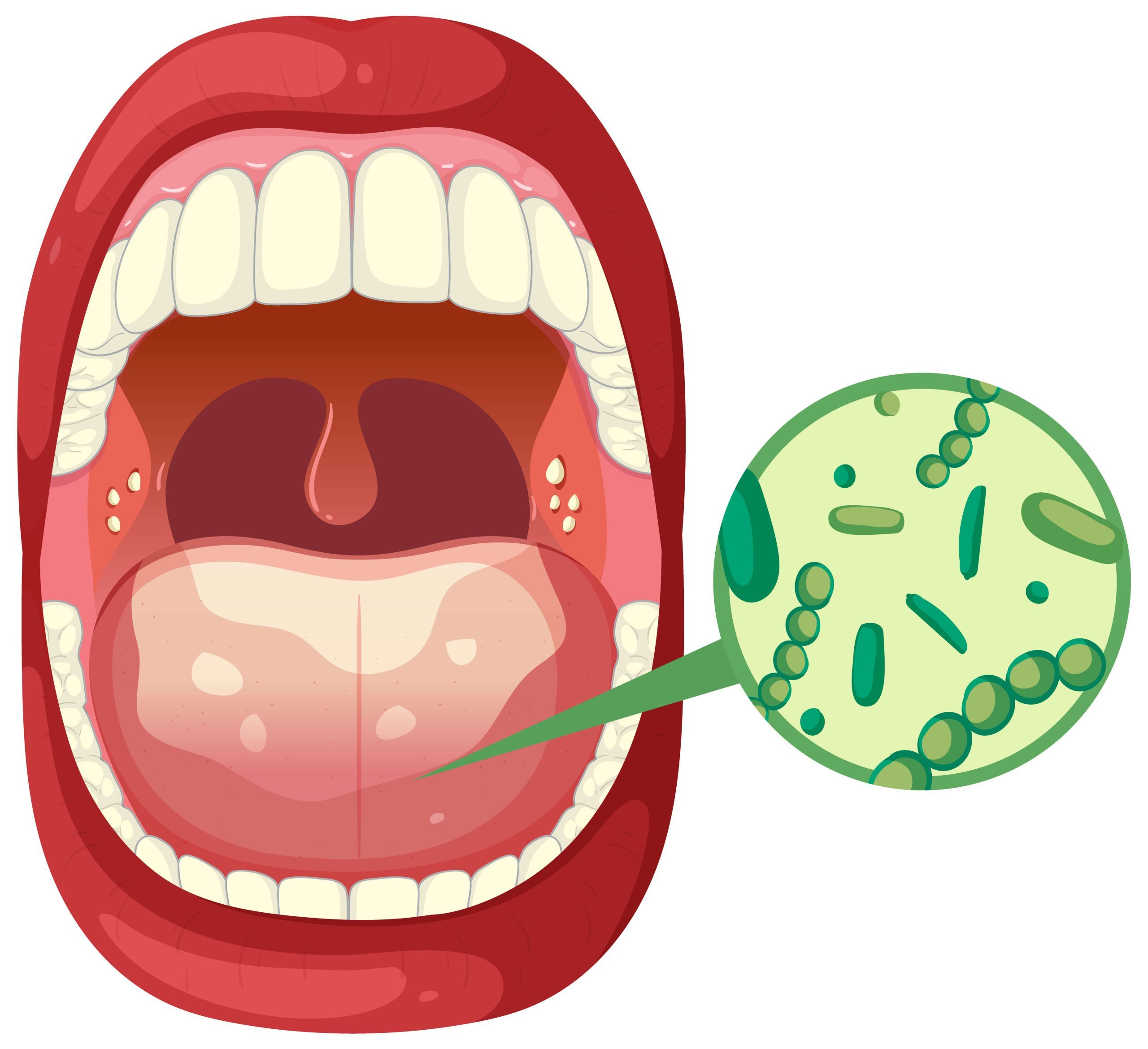
- Changes in the oral microbiome. Vaping can alter the balance of bacteria in the mouth, sometimes favouring species linked with tooth decay and gum disease. This disruption may raise risk over time. Australian Prescriber
- Periodontal effects are mixed but concerning. Recent reviews show e-cigarette users tend to have worse gum outcomes than non-smokers but generally better outcomes than cigarette smokers — however, evidence quality is limited and results are mixed across studies. Long-term effects are still uncertain. ScienceDirect Research
- Device injuries and acute harms. There are recorded cases of burns, traumatic oral injuries, and acute lung injury tied to vaping devices or contaminated liquids — these can also involve the mouth and throat. American Dental Association
In short: vaping may be less harmful than smoking for some oral outcomes, but it’s not safe — and because the habit is relatively new, we don’t yet fully know the long-term oral health price tag. Public health agencies recommend caution, especially for young people and non-smokers. NHMRC – National Health
Side-by-side: smoking vs vaping — how they compare for your mouth
Here’s a practical comparison so you can see the key differences at a glance.
- Gum disease (periodontitis):
- Smoking: Strong, consistent link to increased risk and severity. Smokers lose attachment and bone faster and respond less well to treatment. Teeth
- Vaping: Evidence suggests increased gum inflammation compared with non-users, and possible increased risk of periodontal problems versus non-users; generally less severe than cigarette smoking but still concerning. ScienceDirect Research
- Healing and dental surgery (including implants):
- Smoking: Slower healing, higher infection rates and higher implant failure rates. Quitting before and after surgery improves outcomes. Teeth
- Vaping: Early evidence points to some impairment in healing compared with non-users, though typically less severe than cigarette smoking; definitive long-term implant data are still limited. Australian Prescriber
- Oral cancer risk:
- Smoking: Strongly increases oral cancer risk — one of the major preventable causes. Teeth
- Vaping: Long-term cancer risk from e-cigarettes is not yet fully known. Some components of e-liquid aerosols are potentially carcinogenic, but robust long-term data are lacking. Caution is advised. NHMRC
- Caries (tooth decay) and dry mouth:
- Smoking: Can increase risk indirectly (reduced saliva, plaque changes). Teeth
- Vaping: Associated with dry mouth and changes in bacteria that increase caries risk — especially if e-liquid contains sugars or sweet flavourings. Australian Prescriber
Simple Stats on Smoking and Oral Health
- Smokers are roughly 2× more likely to lose teeth compared with non-smokers (population estimates vary by study). Teeth
- Systematic reviews show current smokers have a substantially higher risk of periodontitis than never-smokers (effect sizes vary by analysis; many reviews report large, significant increases). NHMRC
- For vaping, systematic reviews and government reviews report emerging evidence of harm to the mouth (dry mouth, increased cavities, gum inflammation) but long-term data are limited. The Australian Department of Health’s systematic review concluded the evidence is still developing. NHMRC – National Health
What this means for dental treatment and decision-making
If you smoke or vape, your dentist will:
- Screen more carefully for gum disease and oral cancer. Smokers often have fewer classic signs (less bleeding) even when disease is present, so we measure pocket depths and take X-rays more often.
- Adjust treatment planning. For example, implant planning will include smoking status; surgeons may ask patients to quit before and after surgery to improve success.
- Offer cessation support. Dental teams can provide brief advice, motivational help and referrals to quit services (e.g., Quitline). The ADA and ADA Australia both recommend dental professionals play an active role in tobacco and vaping cessation efforts. American Dental Association
Telling your dentist about smoking or vaping is not about judgement — it’s about tailoring safe, effective care.

If you smoke and want to quit — what helps oral health fastest?
Quitting is the single most effective step to reduce long-term harms to your mouth (and the rest of your body). Oral benefits start quickly:
- Within weeks–months: Improved blood flow to gum tissues and better healing. Periodontal therapy works better after quitting.
- Over years: Reduced risk of oral cancer and lower likelihood of tooth loss compared with continuing smokers.
Our Team at My Local Dentists can:
- Offer brief, evidence-based advice and create a quit plan;
- Refer you to Quitline or your GP for nicotine replacement therapy or prescription medications; and
- Schedule extra maintenance visits to monitor recovery after quitting.
If you’re switching from smoking to vaping as a step to quit smoking, discuss this openly with your dental and medical GP — we can help you weigh risks and plan for complete cessation. Government reviews caution that while vaping may be less harmful than continued smoking in some respects, it is not risk-free and is not recommended for non-smokers. NHMRC – National Health
Practical advice for protecting your teeth and gums now
Whether you smoke, vape or have recently quit, follow these steps:
- Book a dental check-up and talk openly about your nicotine use. Early detection of gum disease or suspicious lesions is vital.
- Maintain excellent home care. Brush twice daily with fluoride toothpaste and clean between teeth once a day (floss or interdental brushes). Smoking and vaping increase plaque risks — good daily cleaning helps.
- Stay on top of professional cleaning and periodontal monitoring. Regular 6 monthly dental check ups and cleans are recommended for everyone. If you smoke or vape, your dentist may recommend more frequent hygiene visits.
- If you are planning surgery or implants, consider quitting beforehand. Stopping nicotine before and after treatment improves healing and outcomes.
- Avoid sugary e-liquids and rinse after vaping. Sugary flavours increase decay risk — water or sugar-free mouthwash can reduce residue.
What the major dental bodies recommend
- Australian Dental Association (ADA Australia / Teeth.org.au): Emphasises that smoking and vaping harm oral health, supports screening and cessation support in dental clinics, and provides patient fact sheets on smoking and vaping. Dental teams are encouraged to actively offer quitting help.
- American Dental Association (ADA-USA): Opposes vaping for non-smokers, highlights oral harms of all tobacco products and supports dental teams in delivering tobacco cessation interventions.>
Both organisations promote clean mouth health messages and integrated care: oral health matters for general health, and dental clinics are well positioned to support quitting.
Bottom line — what should you take away?
- Smoking = proven, serious harm to teeth and gums (and higher oral cancer risk). If you smoke, quitting is the best way to protect your mouth.
- Vaping = not harmless. Early and medium-term studies show vaping can harm the mouth (dryness, taste changes, more cavities, gum inflammation), and long-term effects are not fully known. Vaping may be less damaging than smoking for some outcomes, but it still carries risk — especially for young people and non-smokers.
- Talk to your dentist. Be open about smoking or vaping — your dental team will screen appropriately, tailor treatment and support you if you want to quit.
At My Local Dentists, we take a non-judgemental, evidence-based approach: screening, personalised care plans, and support for quitting when you’re ready. Protect your smile and your health — book a check-up today.
Further Reading & Resources
- Australian Dental Association — Smoking facts & advice. https://www.teeth.org.au/smoking. Teeth
- Australian Dental Association — Vaping information pages. https://www.teeth.org.au/vaping. Teeth
- Australian Department of Health — Electronic cigarettes and health outcomes: systematic review (2022). https://www.nhmrc.gov.au/…/Electronic_cigarettes_and_health_outcomes_systematic_review_of_evidence.pdf. NHMRC
- Australian Prescriber — Oral health impacts of vaping (Dec 2024). https://australianprescriber.tg.org.au/articles/oral-health-impacts-of-vaping.html. Australian Prescriber
American Dental Association — Statement on vaping & tobacco and clinical resources. https://www.ada.org. American Dental Association